THE LAND OF THE PHARAOHS
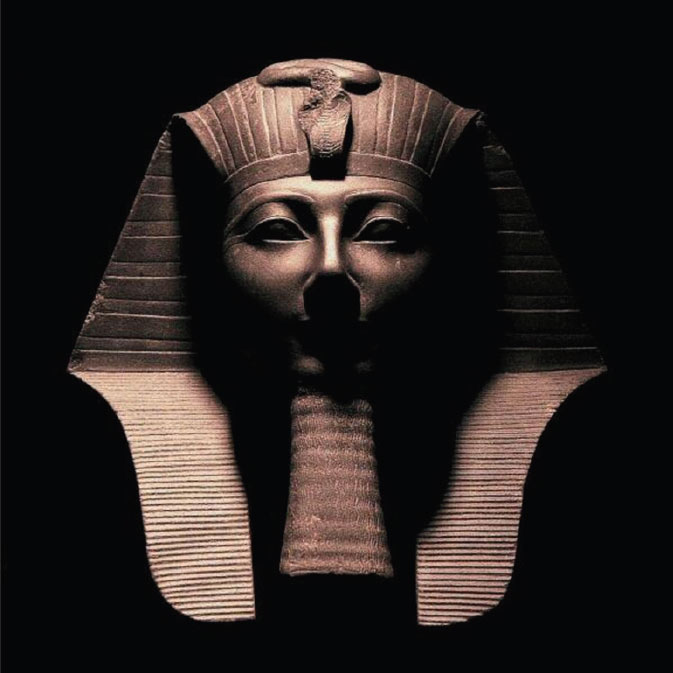
The lecture explores Egypt, the gift of the Nile, with the fascination of its millennia-old history and the power of its god-kings. The living pharaoh is the god Horus on earth, son of Ra, and upon death becomes Osiris; he rules by guaranteeing cosmic order, the sole intermediary between the earthly and divine worlds. An emblematic figure, he is Egypt itself, and within him the Two Lands that form the country are united.
SHE… WITH BEAUTIFUL EYES WHEN THEY GAZE
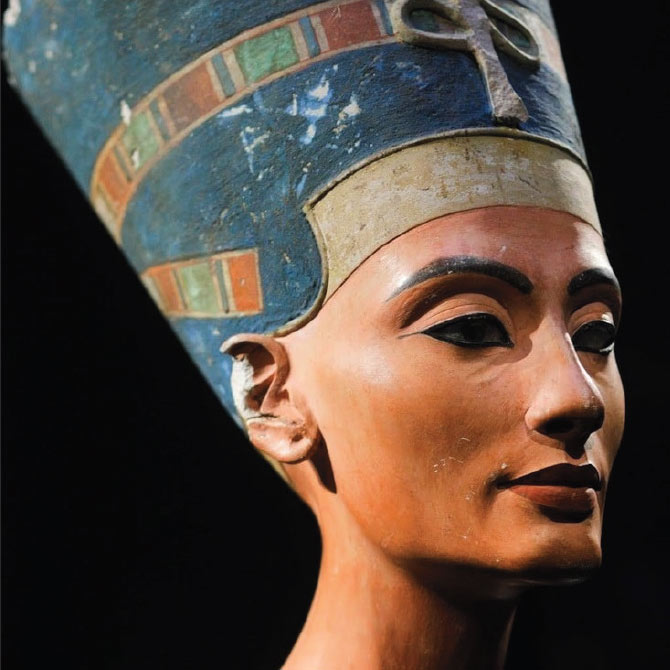
Women in Ancient Egypt.
An engaging lecture, supported by images, videos, and 3D reconstructions, exploring the role of women in the ancient yet remarkably modern Egyptian civilization. Topics include family, social status, work, love, motherhood, beauty, fashion, and personal care.
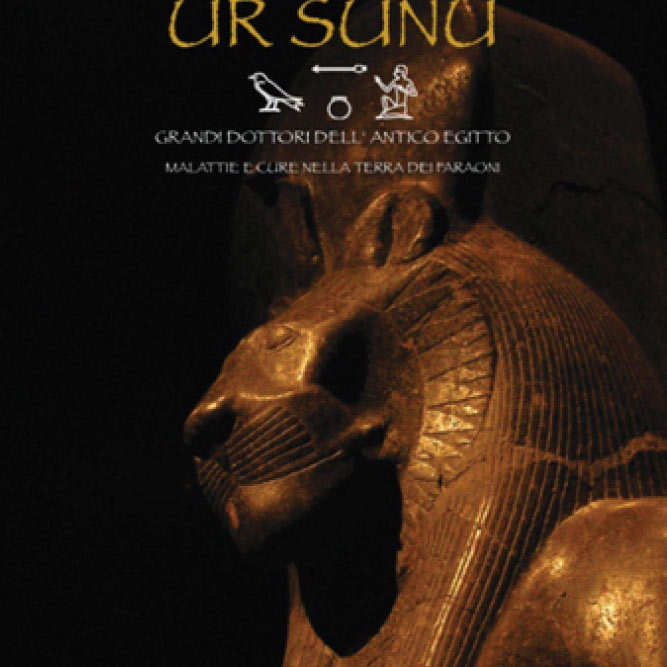
GREAT DOCTORS OF ANCIENT EGYPT
The Egyptians were outstanding physicians, with advanced remedies and specializations that made them famous throughout the ancient world. The earliest record of a physician—a dentist, dated to 2650 BCE—comes from this very land. The medical profession is examined through rich documentation, from philology to architecture, from painting to papyrology, from anthropology to pharmacology.
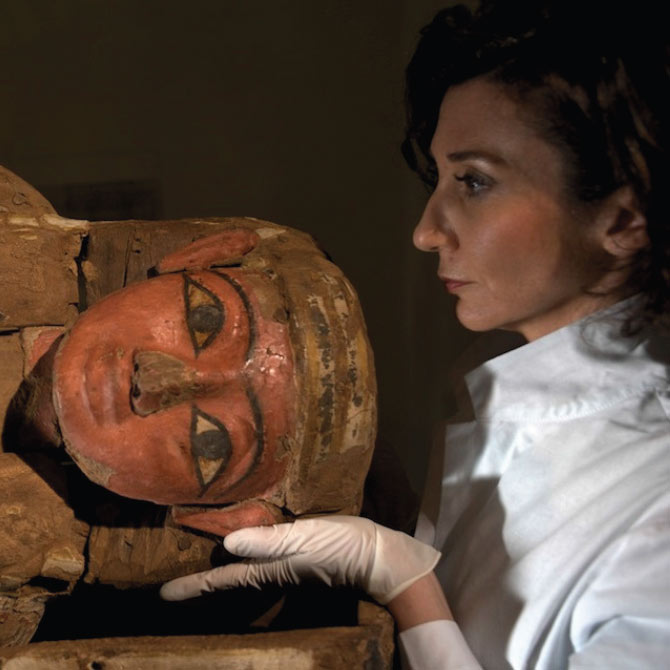
THE LADY OF THE MUMMIES
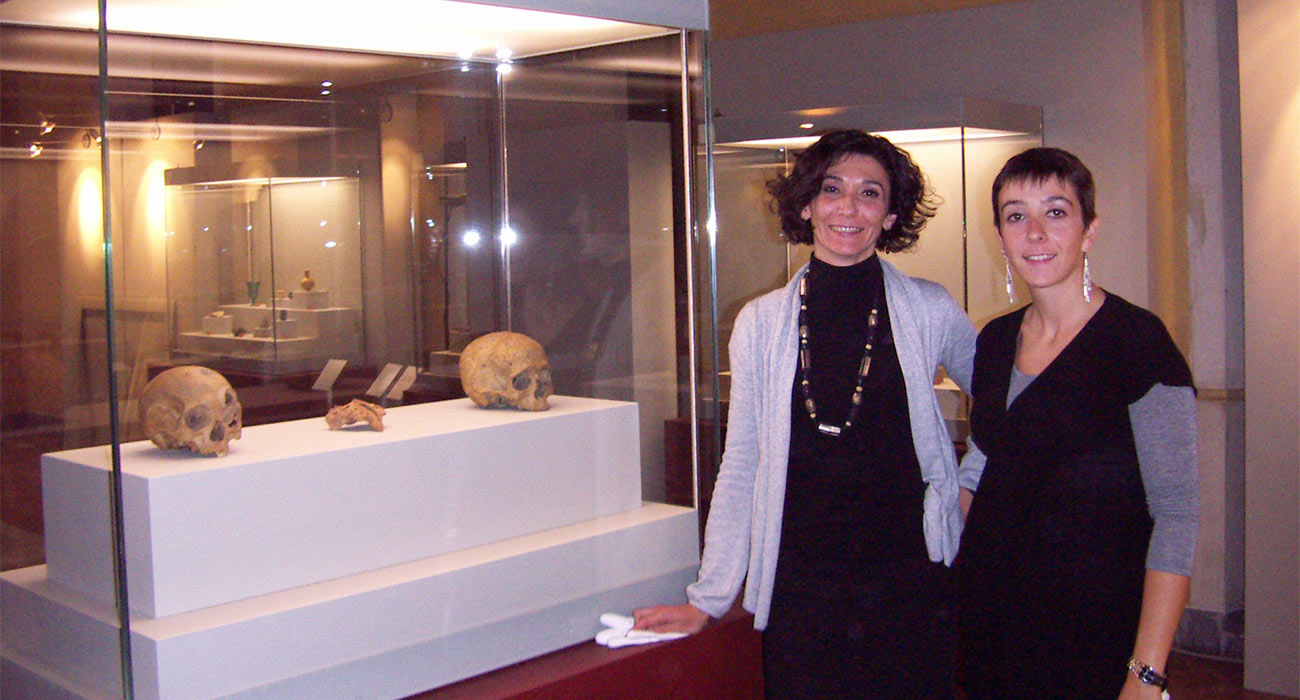
The fascinating work of an archaeologist: Sabina Malgora, Director of the MUMMY PROJECT in Milan. Through modern medical and investigative techniques, a team of scholars reveals the precious information preserved by mummies and uncovers their mysteries without in any way damaging these bodies, entrusted to eternity by the skilled hands of priests. Several case studies will be presented.
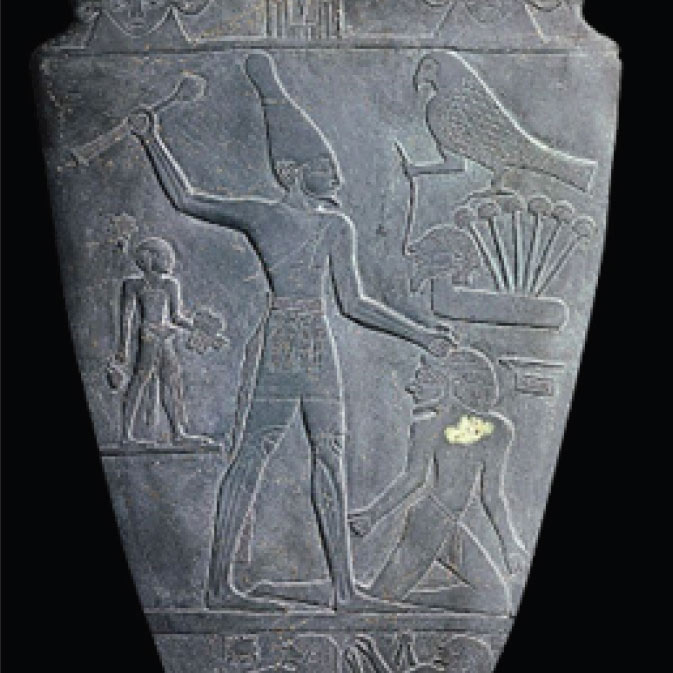
THE DAWN OF THE PHARAOHS
This lecture addresses the prehistory and protohistory of the great Egyptian civilization, at the dawn of the pharaonic kingdoms. A period little known to the general public, yet one in which archaeological research over the past twenty years has produced the most surprising results, shedding light on the experimental phases of architecture, the birth of writing, and the formation of religious belief.
DREAM OF ETERNAL LIFE
The concept of the afterlife and the focus on life beyond death are central aspects of Egyptian civilization. Tombs and funerary goods reflect the identity of those who commissioned them, symbolize social prestige, and embody faith in eternal existence. A fascinating journey, through images and videos, discovering some of the most extraordinary tombs of ancient Egypt.
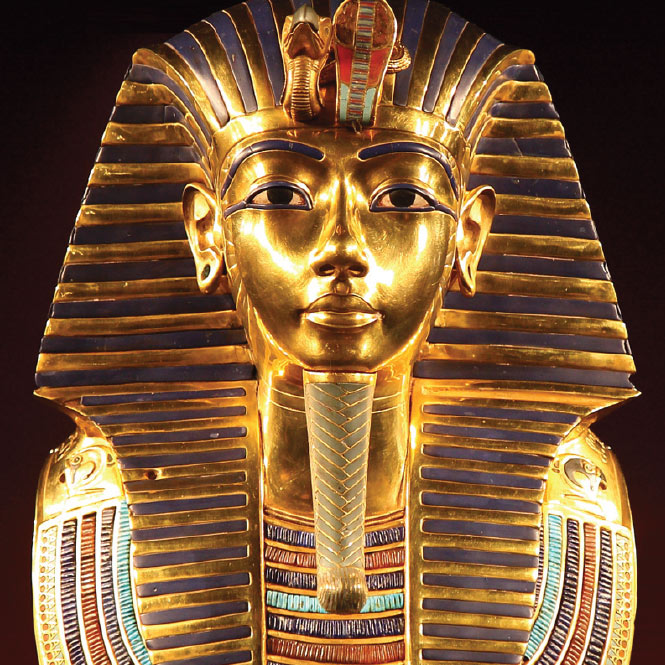
TUTANKHAMON
A nameless mummy underwent state-of-the-art medical analyses conducted by a team of Egyptologists, anthropologists, chemists, physicists, and physicians. The analyses yielded surprising results, stimulating research while deepening the mystery and attracting media interest, making it famous. Numerous television reports followed, including a documentary by SuperQuark. Her identity card will be reconstructed, even to the point of revealing her face.
A DIVINE WORLD
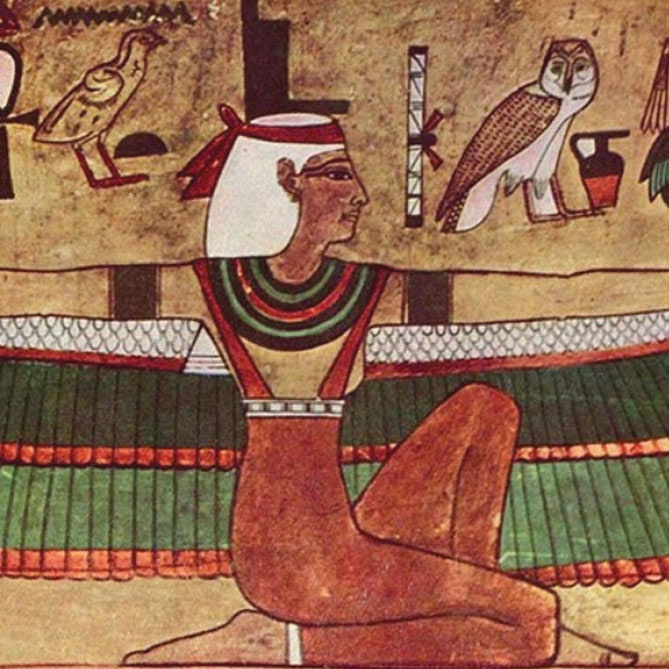
Religion and deities are central elements of ancient Egypt. The vast Egyptian pantheon is a key to understanding ancient thought, the conception of the universe, and humanity’s relationship with the world—transforming nature into a living interlocutor. The deities are as numerous as humans and animals: not superior beings, but endowed with special powers. They manifest in animal, human, or hybrid forms, expressing the complexity and richness of the divine.
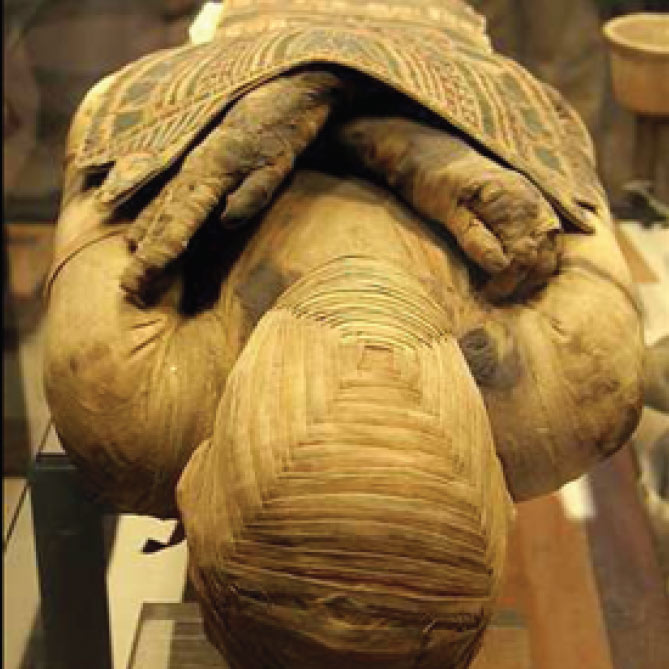
THERE IS NO CURSE AND THERE IS NO MUMMY
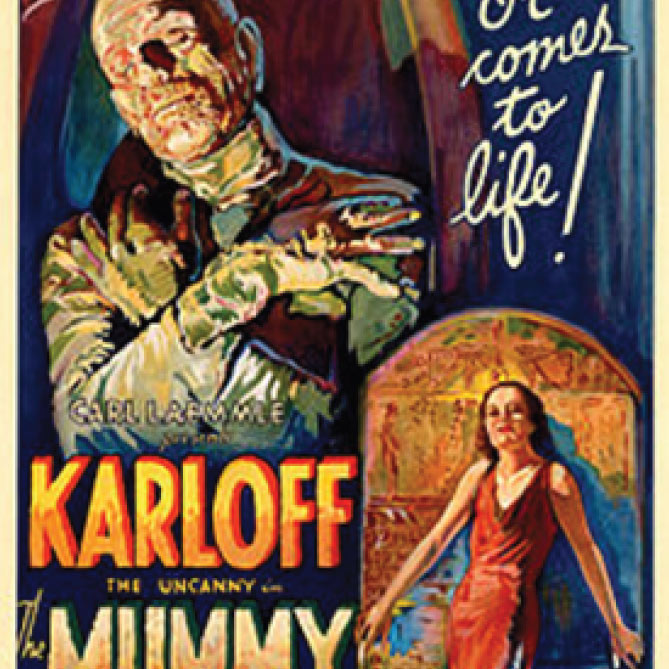
Mummies, synonymous with Egypt, were once considered curiosities to purchase, believed to have healing properties—ground into powder to cure ailments from colds to impotence—unwrapped to retrieve precious objects, burned as fuel, or studied through real autopsies. Stories of curses arose, fueled by strange deaths and seemingly inexplicable events. From the curse of Tutankhamun onward, there has hardly been a mummy without a curse. But is that really so?
THE MAGIC OF AMULETS
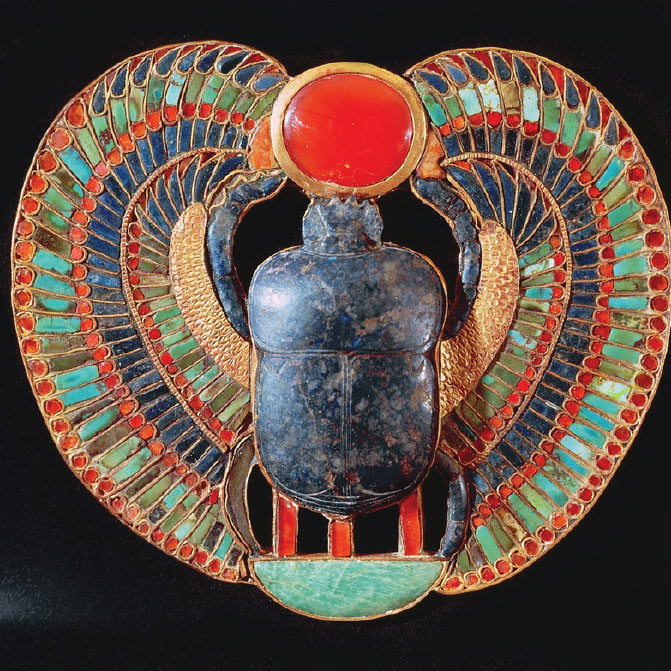
Amulets are small objects widely used in daily life, worn both in life and after death because they were believed to be magical. They are a rich source of information about those who wore them, the craftsmen who made them, and the magic that permeated them. They demonstrate that every archaeological artifact, even the smallest, is an important piece in reconstructing the historical picture.
DIVINE CATS & CO.
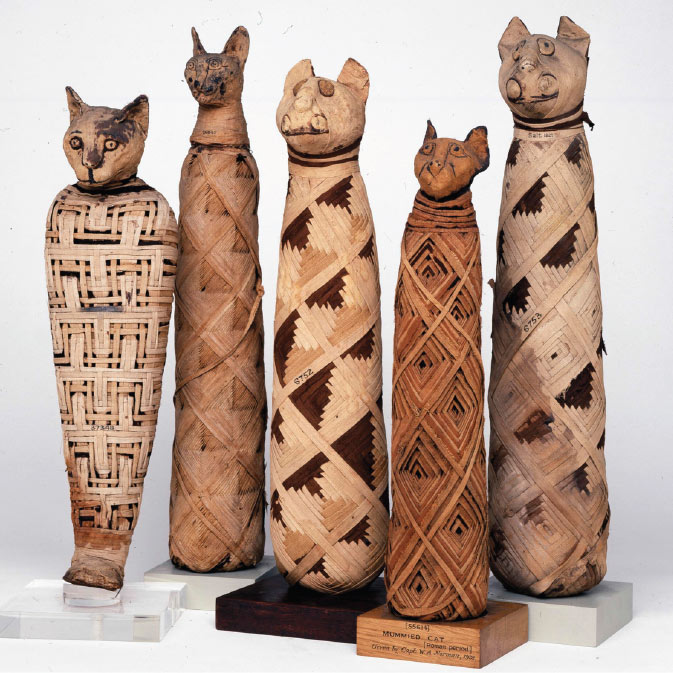
Animals are earthly manifestations of the gods. Certain animals were venerated and, upon death, mummified to project them into eternity. Each deity had a favored animal: for example, the crocodile was sacred to Sobek, the falcon to Horus, the ibis and the baboon to Thoth. The cat was sacred to one of the most beloved goddesses, Bastet. Yet cats, as today, were also cherished companions as well as useful hunters. Medical analyses of animal mummies shed new light on ancient cults.
WINE IN ANCIENT EGYPT
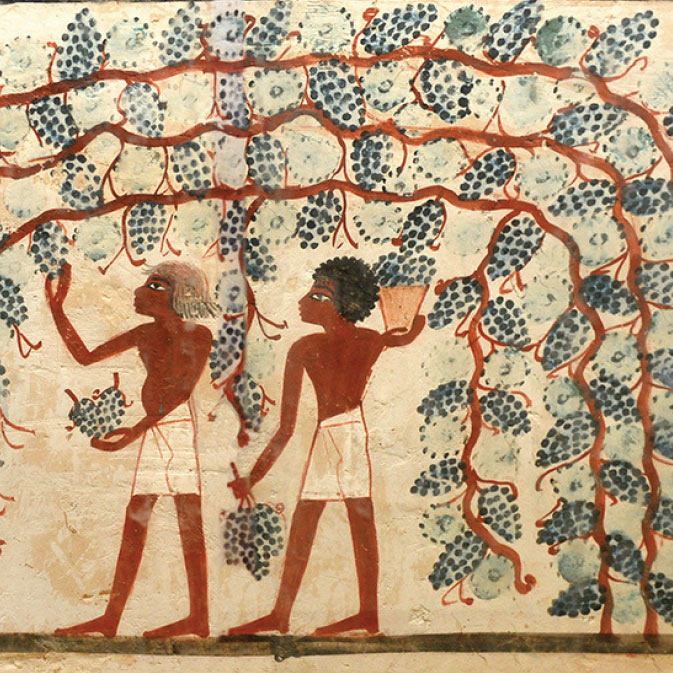
A rich photographic display of artifacts and tomb paintings illustrates how viticulture in Ancient Egypt was remarkably similar to today. There were crus and labels on amphorae, vintages and prized vineyards, as well as the names of winemakers. Particularly appreciated in the Greco-Roman period was the Mareotic wine, white and sweet, produced on the shores of Lake Mareotis and greatly loved by Cleopatra.
COOKED AND EATEN
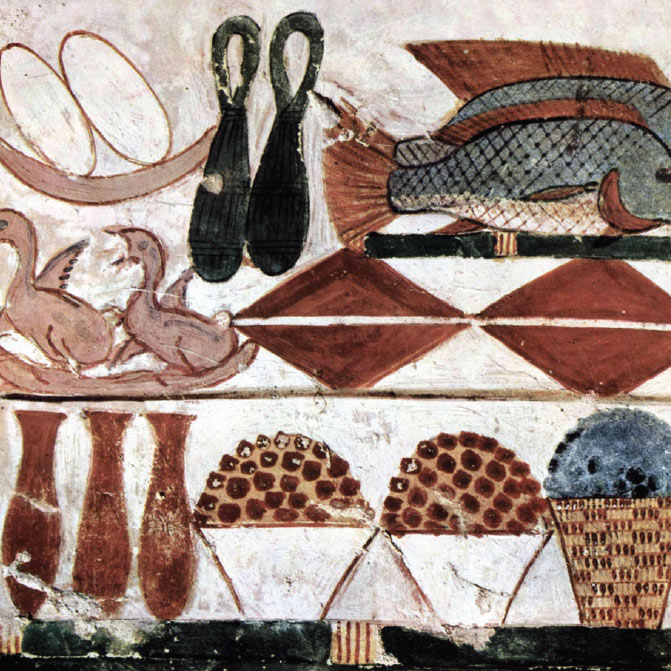
Egyptian dietary habits were close to our Mediterranean diet. Ancient sources provide abundant information, complemented by chemical and physical analyses and archaeological finds. Tomb paintings and reliefs depicting daily life scenes with food and drink, funerary stelae, and magical objects help us understand what they ate and drank. The entire food chain is known, from seed to final product and container.
THE BREAD OF THE PHARAOHS
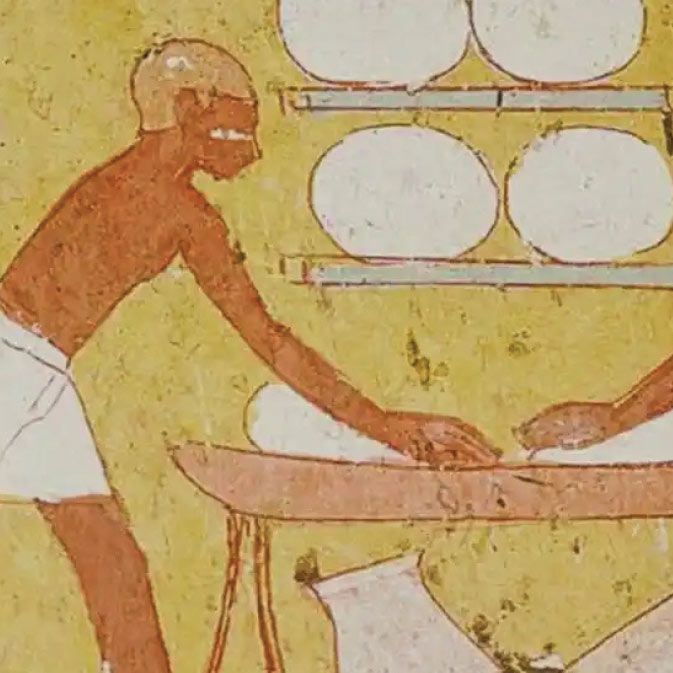
Gli Egizi avevano una dieta sana, bevevano vino e birra ed erano rispettosi dell’ambiente in cui vivevano. La coltivazione dei cereali era di così grande importanza che diventò il granaio di Roma. Il pane era alla base della dieta ed era preparato nelle case nelle forme più diverse, tanto da fare invidia alle nostre panetterie: pagnotte tonde, grandi, piccole, in forma di animali, focacce dolci e salate, fritte, condite con miele e composte.
HATSHEPSUT REGINA D'EGITTO
The Egyptians enjoyed a healthy diet, drank wine and beer, and respected their environment. Grain cultivation was so important that Egypt became the granary of Rome. Bread was the foundation of the diet and was prepared at home in a wide variety of forms—enough to rival modern bakeries: round loaves, large and small, shaped like animals, sweet and savory flatbreads, fried breads, and loaves seasoned with honey and fruit compotes.
HATSHEPSUT, QUEEN OF EGYPT
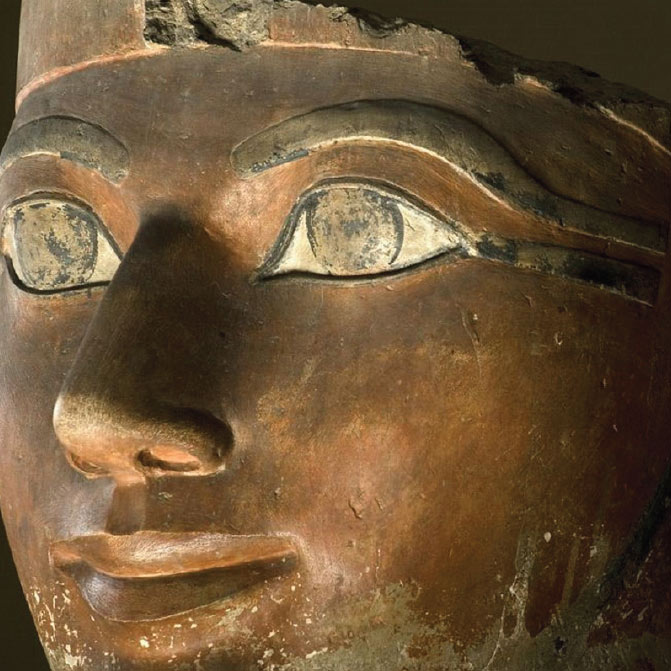
Both deeply loved and strongly opposed—so much so that her successors subjected her to damnatio memoriae—the fifth ruler of the 18th Dynasty ascended the throne through skillful political maneuvering, assuming a traditionally male role dictated by religious dogma. She commissioned monuments of unparalleled beauty: the mortuary temple at Deir el-Bahari and the tallest obelisk in history, erected at the temple of Karnak in Luxor. Remarkable as well is the Hatshepsut Room at the Metropolitan Museum of Art in New York.



 Profilo professionaleRicerche e progettiPubblicazioniInsegnamento e formazioneMedia e divulgazioneGalleria visualeCollaborazioni e networkContatti e servizi